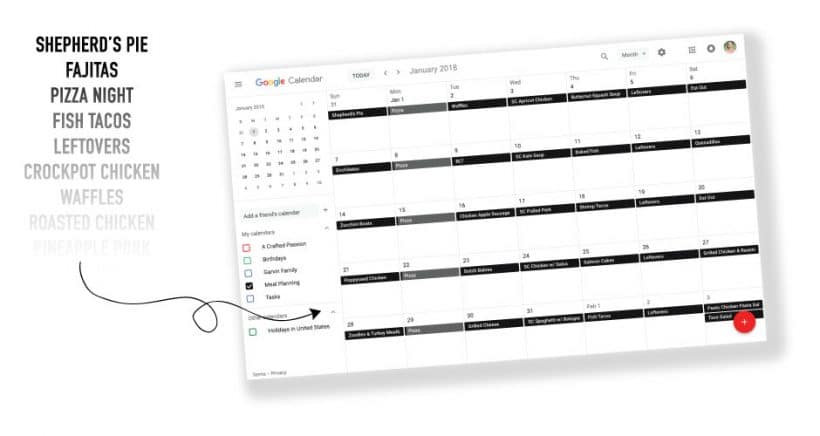
Easy Family Meals: Google Calendar for Effortless Planning
Tired of the daily "what's for dinner?" dilemma? For many families, mealtime chaos is a familiar scenario, leading to last-minute takeaways, wasted groceries, and unnecessary stress. Imagine a world where your weekly meals are not only planned but easily accessible, adjustable, and shareable with everyone in your household. This isn't a pipe dream; it's the reality when you embrace the power of Google Calendar for your meal planning needs. Learning to
meal plan using Google Calendar can transform your kitchen into a hub of organized culinary creativity, making healthy, home-cooked meals a consistent reality.
Gone are the days of forgotten grocery lists or scrambling for ideas at 5 PM. Google Calendar offers a robust, free, and incredibly flexible platform that goes far beyond just scheduling appointments. It’s an ideal tool for families looking to streamline their meal prep, save money, and bring more peace to their dinner table. Let's dive into how this digital powerhouse can become your ultimate meal planning ally.
Why Google Calendar is Your Go-To Meal Planner
When it comes to digital organization, Google Calendar stands out for numerous reasons, especially for the demanding task of family meal planning. Its intuitive features make it a natural fit for busy households.
- It's Completely Free: Budget-conscious families will rejoice! Google Calendar is a powerful tool available at no cost, allowing you to invest your savings into quality ingredients rather than subscription fees.
- Universal Accessibility: Whether you're at the grocery store with your phone, at work on your computer, or relaxing with a tablet, your meal plan is always at your fingertips. This multi-device access ensures you can check what’s for dinner, add a new recipe idea, or update your plan from anywhere, anytime.
- Effortless Drag-and-Drop Functionality: Life happens, and plans change. Perhaps you bought chicken for Tuesday but now feel like a pasta dish instead. With Google Calendar, simply drag and drop your meal events to a different day. This flexibility makes adapting to schedule shifts or sudden cravings incredibly easy, eliminating the frustration of rewriting physical planners.
- Seamless Sharing for Family Harmony: One of the biggest advantages of a digital meal plan is the ability to share it. You can invite family members, roommates, or partners to view your dedicated meal calendar. This means everyone knows what's on the menu, who's responsible for cooking, and what ingredients are needed. It significantly reduces the "what are we eating?" queries and promotes shared responsibility.
- A Valuable Culinary Archive: Every meal you add to your calendar becomes a record. Over time, you build a fantastic database of your family's favorite dishes. This historical data is invaluable for several reasons:
- Future Planning: Revisit past weeks or months to easily pull inspiration for new meal plans, saving you from reinventing the wheel weekly. You'll quickly see patterns and forgotten favorites.
- Tracking Habits: Monitor your family's eating habits, identify dietary trends, or ensure a balanced rotation of proteins and vegetables.
- Nostalgic Fun: It’s surprisingly enjoyable to look back and see what culinary adventures your family was on a year or two ago!
Setting Up Your Dedicated Meal Planning Calendar
To truly harness the power of Google Calendar for meals, the first step is creating a separate, specific calendar for it. This keeps your personal appointments distinct from your dinner plans, ensuring clarity and preventing clutter.
1.
Create a New Calendar: In Google Calendar, navigate to the settings. Under "Add calendar," select "Create new calendar."
2.
Name Your Calendar: Give it a clear, descriptive name like "Family Meal Plan," "Weekly Menu," or "Dinner Ideas."
3.
Strategic Naming Tip: Google Calendars are often listed alphabetically. To keep your meal plan calendar at the top of your list for easy access (since you'll be interacting with it frequently), consider adding a special character or number before its name, such as "
*Family Meal Plan" or "
1. Weekly Menu."
4.
Description (Optional): Add a brief description if desired, perhaps noting the goal of the calendar or who it's shared with.
Creating this dedicated space is crucial. It allows you to toggle your meal plan on and off with a single click, so it doesn't overwhelm your daily view when you're focusing on work or personal commitments. It also ensures that when you share your meal calendar, you’re not inadvertently sharing sensitive personal appointments with your housemates. This foundational step is key to making the system work smoothly. For a detailed walkthrough on setting up and optimizing your calendar, you might find valuable insights in
Meal Planning with Google Calendar: Setup, Share & Save Time.
Collaborative Cooking: Sharing Your Meal Plan
Once your meal plan calendar is set up, sharing it with your household members transforms meal planning from a solo chore into a collaborative effort. This feature is a game-changer for family dynamics and efficiency.
1.
Access Sharing Settings: Go to Google Calendar Settings, then "Settings for my calendars." Select your meal plan calendar from the list.
2.
Share with Specific People: Under the "Share with specific people" section, you can add individuals by their email addresses.
3.
Define Access Levels: For each person, you can choose their level of access:
- "See only free/busy (hide details)": Not ideal for meal planning.
- "See all event details": This is often the best choice for family members, allowing them to view the full meal plan without making accidental changes.
- "Make changes to events": Suitable for partners or older children who will actively contribute to planning, adding meals, or adjusting the schedule.
- "Make changes and manage sharing": Typically reserved for co-planners who need full administrative control.
4.
Email Notification: When you invite someone, they'll receive an email notification and the calendar will automatically appear in their "Other calendars" list on Google Calendar.
Sharing your calendar not only keeps everyone informed but also empowers family members to contribute. Kids can see what’s for dinner and express preferences (within reason!), partners can volunteer to cook specific meals, and everyone knows what ingredients to pick up if they’re running errands. If circumstances change, you can easily revoke access or modify permissions at any time from the same menu, offering complete control over your shared culinary schedule.
Beyond the Basics: Advanced Tips for a Seamless Meal Plan
Now that your calendar is set up and shared, it's time for the fun part: filling it with delicious meals! But don't just stop at basic event entries; Google Calendar offers features that can take your meal planning to the next level.
*
Detailed Event Descriptions: When you create an event for a meal, don't just type "Chicken Stir-fry." Use the description box to include:
* Links to online recipes.
* Quick notes on ingredients needed (e.g., "Check for bell peppers").
* Prep instructions or cooking tips.
* Side dish suggestions.
This turns each meal event into a mini recipe card and a hub of information, making cooking less daunting.
*
Leverage Recurring Events for Staples: Do you have "Taco Tuesday" or "Pizza Friday" traditions? Set these as recurring events. This saves time and ensures your family favorites are always on the schedule. You can even set custom recurring patterns for monthly or bi-weekly meals.
*
Color-Coding for Clarity: Assign different colors to your meal events based on categories. For example:
*
Green: Vegetarian meals
*
Red: Quick & easy
*
Blue: New recipe to try
*
Yellow: Leftover nights
This visual cue makes it incredibly easy to see your meal balance at a glance.
*
Building a "Recipe Bank": Use "All-day" events or even create a separate calendar for "Recipe Ideas." Here, you can store links to recipes you want to try, or simply note down dishes your family loves. When it's time to plan your week, you can quickly copy these ideas into your main meal calendar.
*
Integrate Grocery Lists: While Google Calendar isn't a dedicated grocery list app, you can use the event descriptions to list ingredients for that specific meal. Alternatively, link to a shared Google Keep note or other shopping list app directly from your meal events. This creates a seamless workflow from plan to pantry.
*
Reusing and Adapting Meals: One of the most common frustrations in meal planning is the feeling of constantly "reinventing the wheel" every week. As highlighted in many planning guides, families often eat the same favorite meals repeatedly. Google Calendar's drag-and-drop and copy functions are perfect for this. See a meal you loved from two months ago? Simply copy it to the current week! This hack saves tons of time and energy, allowing you to build a rotation of tried-and-true recipes effortlessly. For more smart hacks to combat meal planning fatigue, consider exploring resources like
End Meal Planning Frustration: Google Calendar's Smart Hacks.
Mastering the art of using Google Calendar for your meal plan means you're not just scheduling food; you're building a sustainable, flexible system that adapts to your family's needs. From busy weeknights to relaxed weekend cooking, an organized digital meal plan brings structure, reduces waste, and encourages everyone to participate in the most important meal of the day.
Conclusion
Transitioning to a digital approach for your family's meals doesn't have to be complicated. By choosing to
meal plan using Google Calendar, you unlock a free, powerful, and intuitive tool that significantly simplifies one of life's most persistent challenges. From its universal accessibility and flexible drag-and-drop interface to its collaborative sharing features and valuable historical record-keeping, Google Calendar offers everything you need to transform mealtime chaos into calm, organized culinary enjoyment. Say goodbye to daily mealtime stress and embrace the ease and efficiency of a smartly planned kitchen – your family (and your wallet!) will thank you for it.